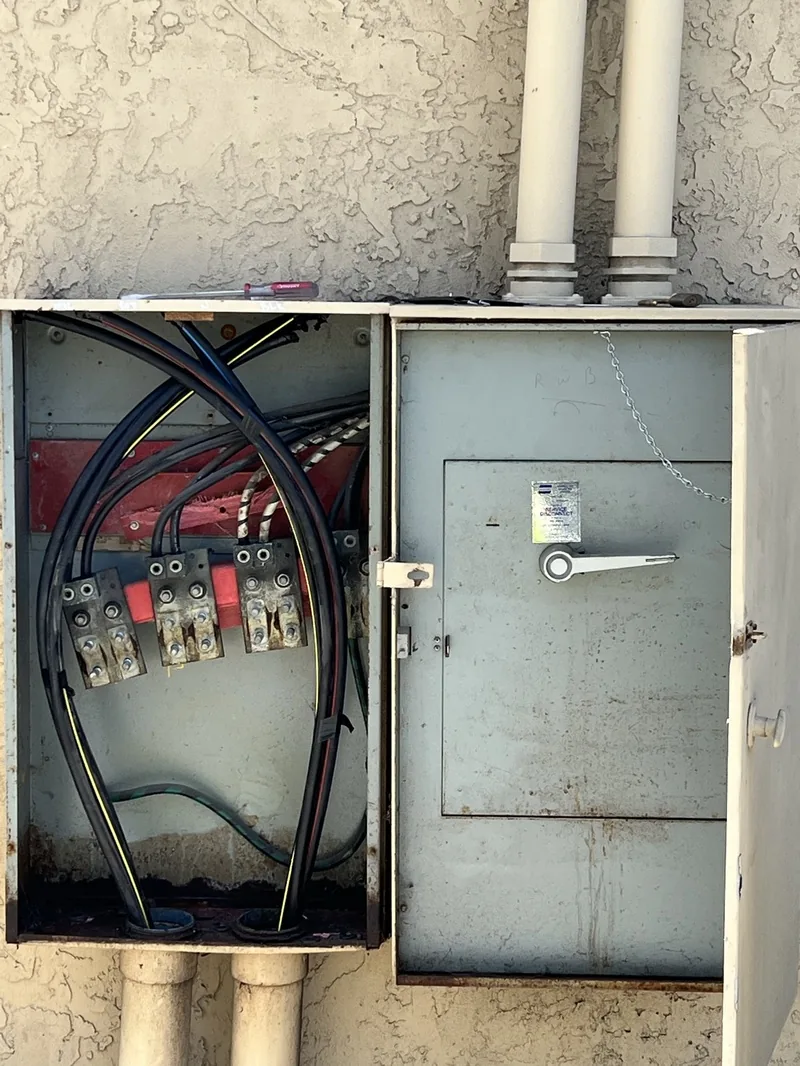
If you are wondering how long a panel upgrade takes in Carlsbad, the most honest answer is this: the installation day is often the shortest part of the project.
For many homes, the actual panel replacement can be completed in a day. But the full process usually includes assessment, scheduling, permit handling, possible utility coordination, installation, and final inspection. That is why homeowners should think in terms of project timeline, not just time with the power off.
The Short Answer
In many straightforward cases, a residential panel upgrade in Carlsbad follows this rough pattern:
- assessment and quote
- scheduling and permit handling
- utility coordination if required
- installation day
- final inspection and sign-off
The physical replacement of the panel is often completed in one day, but the total timeline can extend depending on scheduling, site conditions, and whether the project includes related upgrades.
What Happens Before Install Day
A panel upgrade should not begin with someone showing up and swapping equipment blindly.
The first step is a site review. A licensed electrician should confirm:
- current panel size and condition
- service capacity
- breaker space
- grounding condition
- whether the meter or service conductors need attention
- whether the work is limited to the panel or part of a larger electrical upgrade
This is also when the scope is defined. If the home needs more than a simple panel swap, it is better to identify that early rather than discovering it halfway through the project.
You can learn more about the service itself on our electrical panel upgrades page.
Permit and Scheduling Matter
In Carlsbad, a panel upgrade should be permitted and carried through final inspection.
That means the job timeline is affected by more than labor alone. Even when the work itself is straightforward, the schedule may still depend on:
- permit processing
- contractor availability
- utility coordination
- inspection timing
- scope changes if older equipment is uncovered
A good contractor plans for those pieces upfront instead of treating them like surprises.
How Long the Installation Usually Takes
On install day, many standard residential panel upgrades are completed in one working day.
That said, not every home is standard.
The timeline can expand if the project includes:
- service equipment corrections
- grounding upgrades
- more involved conductor replacement
- older or damaged panel conditions
- additional code-related issues that need correction before sign-off
The point is not to promise a one-size-fits-all duration. The point is to understand that the actual panel swap is often faster than the planning around it.
How Long the Power Is Usually Off
This is usually the question homeowners care about most.
During a panel upgrade, there is typically a planned outage while the old panel is removed and the new one is installed and re-energized. The exact duration depends on the job, but it is usually a defined part of install day rather than a multi-day outage.
That is one reason preparation matters. A licensed electrician should be able to explain the likely outage window and help you plan around it.
What Causes Delays
A few things commonly slow panel upgrade projects down:
Older Service Equipment
If the existing meter base, conductors, or grounding system are not in good shape, the scope can grow.
Permit or Utility Timing
Even when the installation itself is simple, outside scheduling can affect the project window.
Hidden Corrections
Some homes reveal additional issues once work begins, especially older homes with previous modifications or aging equipment.
Combined Projects
If the panel upgrade is tied to another project — like an EV charger, HVAC electrification, or addition — the final timeline may depend on the broader scope.
If your upgrade is related to EV readiness, our Carlsbad electrical panel upgrades page is the best local service reference.
Why It Pays to Plan Early
Homeowners often wait until the panel is already failing or a new electrical project is blocked by capacity limits.
That is when the job feels urgent, and urgency usually creates more friction.
A better approach is to schedule the upgrade before a critical failure or before another project forces the issue. That gives you more flexibility on contractor schedule, permit timing, and overall planning.
Final Takeaway
For many Carlsbad homes, the actual panel upgrade is completed in a day, but the full project timeline is longer because proper electrical work includes assessment, permitting, scheduling, installation, and final inspection.
Wheyland Electric helps Carlsbad homeowners handle panel upgrades the right way from first evaluation through final completion.
Need a realistic timeline for your home’s panel upgrade? Request a free estimate.