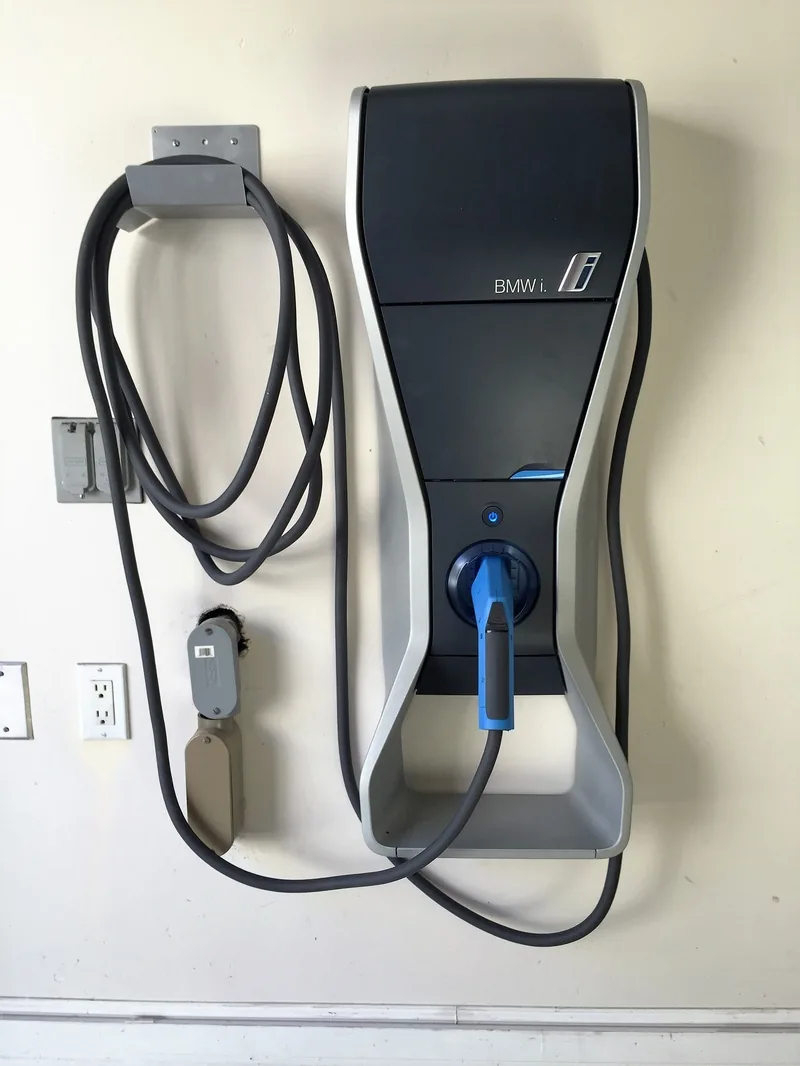
The first EV charger is usually the easy one. It gets installed, charging becomes part of the routine, and the house seems to handle it fine.
Then a second EV enters the picture.
That is the point where many Carlsbad homeowners realize the original charging plan may not scale the way they expected. Adding another electric vehicle does not always mean you need a panel upgrade, but it often forces the question.
If your household is moving toward two EVs, this is what you need to think about before assuming the electrical side will take care of itself.
Why a Second EV Changes the Equation
One EV can often fit into a home’s electrical system without too much friction. Two EVs can be very different.
The issue is not just total energy use. It is the timing and intensity of the charging load. If both vehicles are charging overnight on Level 2 equipment, the home may be carrying two large continuous loads at the same time.
That becomes much more important in homes that already have:
- older 100-amp service
- limited breaker space
- central air conditioning
- electric dryers or ovens
- a hot tub or workshop circuits
- plans for future electrification
For many homes, the second EV is the moment when an already-tight panel starts showing its limits.
The First Question: Do You Really Need Two Full Chargers?
Not every two-EV household needs two separate high-output charging circuits.
Some families stagger charge times. Some have one higher-mileage daily driver and one lower-mileage vehicle that can share charging time. Others benefit from a managed charging setup that reduces simultaneous load.
That is why the right first step is not buying another charger. It is evaluating how the household will actually use both vehicles.
In some cases, one charger with a disciplined schedule works fine. In others, the convenience and practicality of two charging points make the added electrical work worth it.
What an Electrician Should Review First
Before adding a second EV charging setup, a licensed electrician should look at:
- Current panel size
- Available breaker space
- Existing major household loads
- Whether the first charger already pushed the system close to capacity
- How both vehicles are expected to charge
- Whether load management or a service upgrade makes more sense
This is where a lot of homeowners save themselves trouble. If the review is done early, the second EV can be planned intelligently instead of forcing a rushed correction later.
You can learn more about the charging side on our EV charger installation page.
When a Panel Upgrade Starts to Make Sense
A panel upgrade becomes more likely when one or more of the following are true:
- the home still has 100-amp service
- the panel is already full
- you want two Level 2 chargers
- the first EV charger already required compromises
- other major electric loads are planned
- you want a cleaner long-term setup instead of juggling limitations
In those situations, a Carlsbad electrical panel upgrade may be the better long-term answer rather than trying to keep squeezing more demand into an aging panel.
Why Planning Ahead Matters
Many homeowners know a second EV is probably coming but delay the planning because the second vehicle is not here yet.
That usually costs more in the long run.
If a second EV is likely within the next year or two, it often makes sense to design the first charger project with that future load in mind. That could mean choosing a more strategic charger location, leaving room in the panel plan, or deciding now whether a service upgrade will eventually be unavoidable.
A piecemeal approach often leads to redundant work.
Two EVs, One Home, One Smart Plan
The goal is not automatically installing more equipment. The goal is making sure the home can support the charging setup you actually need.
For some Carlsbad households, that means staying with one charger for now. For others, it means moving directly to a two-charger or future-ready setup. And for older homes, it often means confronting panel capacity honestly before it becomes a bigger problem.
Our electrical panel upgrades page covers the broader upgrade process if your home is already near its limit.
Final Takeaway
Adding a second EV does not automatically mean you need a panel upgrade. But it is one of the clearest triggers for reviewing whether your current electrical system is really ready for what comes next.
Wheyland Electric helps Carlsbad homeowners evaluate charger capacity, panel readiness, and the most practical path to a clean two-EV setup.
Need help figuring out whether your home is ready for a second EV charger? Request a free estimate.